More Than a Subculture
The gay bear community is a dynamic, ever-evolving movement within the broader LGBTQ+ spectrum. What began as a reaction to the exclusionary standards of mainstream gay culture has blossomed into a global network marked by camaraderie, body positivity, and inclusivity. Today, bear culture serves not only as a support system for those who do not fit typical ideals, but also as a force championing diversity and authentic self-expression.
Table of Contents
Origins: Where Does Bear Culture Come From?
Historical Touchstones
- Ancient Symbolism: Throughout history, bears have symbolized strength, protection, and togetherness in various cultures. These positive associations inform much of the contemporary community’s ethos.
- Modern Emergence: The “bear” identity surfaced in the 1980s in North America. Early groups formed in response to the predominance of youthful, fit body images in gay spaces, providing a home for masculine, hairy, fuller-bodied men who felt marginalized elsewhere.
- Expansion: Bear bars and social circles multiplied, first in urban U.S. centers and later worldwide. Publications, dedicated events, and digital platforms like BEARWWW allowed the culture to flourish globally.
Core Values and Pillars
Body Positivity and Diversity
- Inclusivity in Action: Unlike restrictive beauty standards found elsewhere, bear spaces invite members across a spectrum: different ages, sizes, ethnicities, and gender expressions.
- Celebrating the Unique: Self-acceptance is the foundation. Members are encouraged to be proud of their bodies, challenging stigmas about weight, age, and appearance.
Brotherhood and Community
- Support System: Bears foster a culture of openness, mutual support, and nonjudgmental interaction. This extends beyond parties to emotional health and personal development.
- Shared Spaces: Local and international events—Bear Prides, bear weekends, festivals—build and reinforce community bonds, offering safety and a sense of belonging.
Bear Nation Documentary
Authenticity and Self-Expression
- Beyond Stereotypes: While bears are often defined by their physical traits, the heart of the culture is about living genuinely and accepting oneself beyond all labels.
- Humor and Warmth: Social interactions are marked by humor, playfulness, and a rejection of toxic competitiveness.
Diversity Within Bear Culture
Bear culture doesn’t just celebrate big, hairy men. It’s remarkably nuanced, with many subgroups:
| Subgroup | Description |
|---|---|
| Bears | Large, typically hairy, masculine-presenting men |
| Cubs | Younger or slightly smaller men who identify with the bear ethos |
| Otters | Leaner but still notably hairy men |
| Wolves | Dominant, rugged, and often more aggressive |
| Chubs | Heavier men, with less emphasis on hair |
| Chasers | Admirers of bears, regardless of their own appearance |
| Polar Bears | Older bears with white or silver hair |
| Muscle Bears | Bears with large, muscular physiques |
Intersectionality and Ongoing Inclusion
- Race and Ethnicity: Although bear culture was once seen as predominately white, movements within have continually pushed for racial and cultural inclusion—with notable impacts in major cities worldwide.
- Gender and Sexuality: Trans men and nonbinary people are increasingly visible in the bear scene, contributing further to its liberating, varied makeup.
Symbols and Tradition
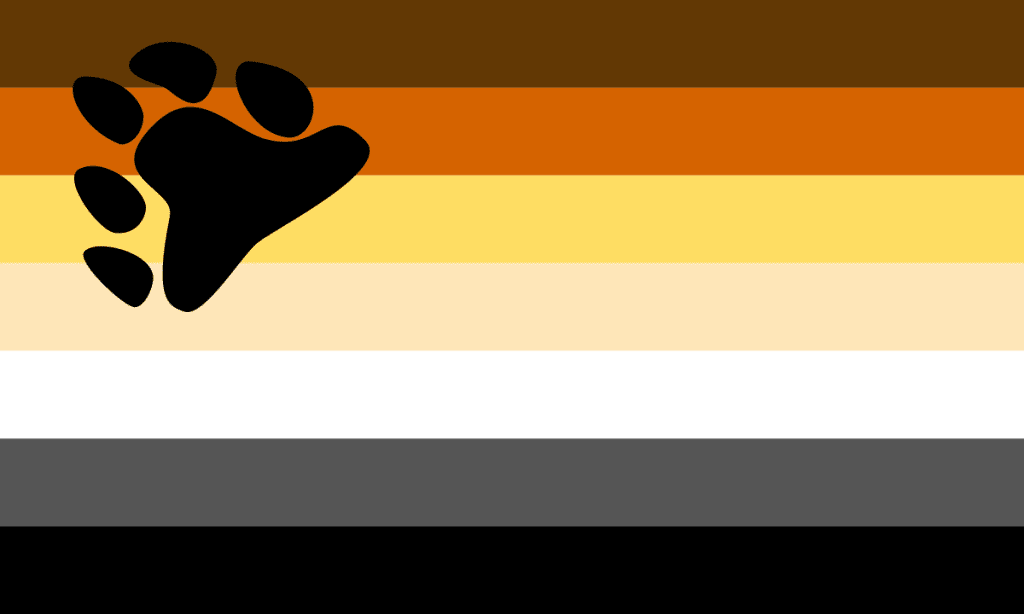
The Bear Brotherhood Flag
- Design: Horizontal stripes of different “fur” colors and a bear paw, symbolizing diversity and unity.
- Use: Displayed at events, online, and in venues to signal safe, welcoming spaces.
Bear Events, Rituals, and Gatherings
- Bear Prides and Festivals: Annual celebrations like Sitges Bear Week or International Bear Convergence serve as hubs for networking, visibility, and cultural pride.
- Social Events: From small bar nights to massive cruises, these events emphasize fun, connection, and activism (with fundraising for LGBTQ+ causes common).
Language, Slang, and Internal Codes
Bear culture thrives on playful, evolving vocabulary:
- Categories: Bear, Cub, Otter, Chaser, etc.
- Other Terms: “Bear bar,” “bear run” (for weekend events), “woof” (a friendly compliment).
This lexicon both marks belonging and offers newcomers tools for self-identification.
VI. Health, Well-being, and Challenges
Physical and Mental Health
- Body Acceptance: Community discourse encourages looking after health in ways that suit diverse body types—not conforming to one ideal.
- Mental Health: Many local groups provide peer support for depression, coming out, and loneliness.
Internal Critiques and Ongoing Evolution
- Exclusion and Stereotypes: Some critique persists around racism, ageism, or pressure to fit new “bear ideals.” Progressive voices within the community are working to address these issues.
- Commercialization: As festivals and platforms grow, there’s an ongoing balance between authenticity and commercialization.
Global Reach and Digital Life
Role of Online Platforms
- BEARWWW & More: Sites and apps connect bears and admirers globally, organize events, and support isolated individuals in smaller towns or conservative countries.
- Social Media: Hashtag movements, digital meetups, and online publications further amplify inclusivity and awareness of bear-related issues.
Representation in Media & Culture
- Independent Media: Magazines, documentaries, and podcasts founded by and for bears highlight stories missing from mainstream LGBTQ+ outlets.
- Mainstream Media: Representation is growing but remains patchy; authentic portrayals promote wider understanding, but stereotypes persist.
The Bear Community’s Ongoing Significance
Bear culture is more than fashion or aesthetics—it’s a dynamic ecosystem advocating for:
- Acceptance and inclusion for all body types
- Community support regardless of background
- Pride in being unique
- Positive masculinity
- Intersectional, ever-widening diversity
For those seeking a space that values authenticity over image, mutual support over competition, and connection across lines of difference, the gay bear community stands as a beacon within the LGBTQ+ world.