The “Otter” Spirit in the LGBTQ+ Community
Within the wide, colorful spectrum of LGBTQ+ identities, gay otters stand out by embracing both their physical traits and a certain way of being in the world. But what does it truly mean to identify as an otter—beyond the stereotypes and iconic beard? Let’s look beyond the labels and bring to life the warmth, nuances, and vibrant community that define otter culture today1.
Table of Contents
From Roots to Recognition: Where Otters Come From
The emergence of otter culture is a story of search for belonging and authenticity.
Evolution of the Tribe
- Origins: The idea of “otters” found its roots in the late 1970s, when the gay community began mapping out its rich internal diversity. “Otter” was later cemented as a distinct identity in the wake of the “bear” movement, giving recognition to those who didn’t fit the typical bear mold—leaner, but still hairy, with an easygoing masculinity.
- Growing Visibility: Throughout the 80s and 90s, as LGBTQ+ communities gained self-confidence, otter circles grew alongside bears, cubs, and chasers, bringing a refreshing alternative to rigid types and promoting a culture of acceptance and fluidity.
What Makes an Otter? Physical Traits—and Beyond
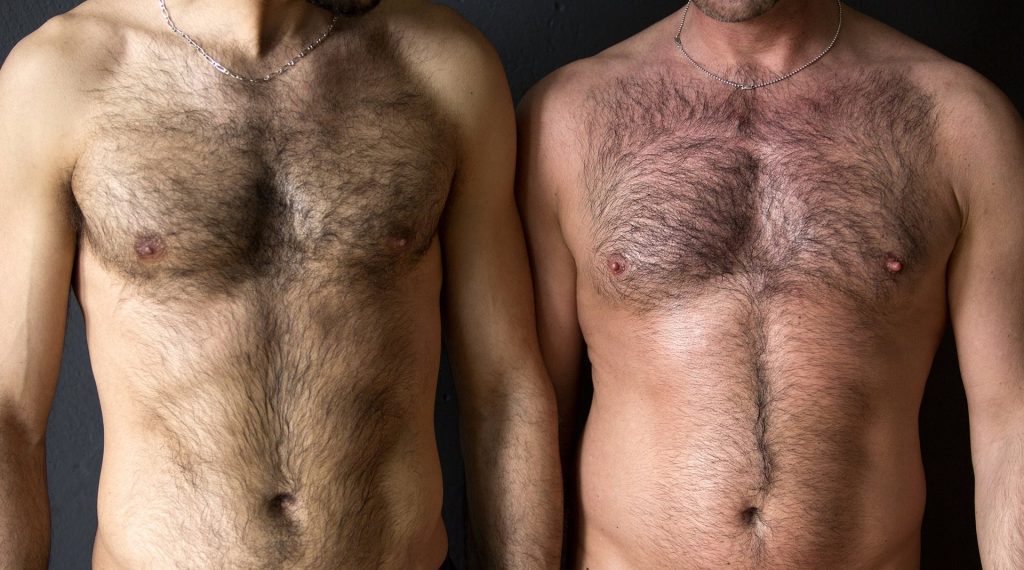
Otter is never just about looks. Yes, otters are often:
- Slender or athletic
- Distinctly hairy (body and face)
- Fond of bearded or natural styles
- Neither as stocky as bears nor as slim or smooth as “twinks”

But more than that, otters embody a relaxed, approachable, and adventurous personality. They refuse the pressure to look a certain way. For many, being an otter means feeling at home in your own skin, comfortable with both softness and a hint of wildness.
Human Connections: Stories, Belonging, and Day-to-Day Life
Belonging to the otter tribe is rarely a rigid choice—as with any subculture, it’s about finding a space where you recognize yourself and feel understood.
Why People Identify as Otters
- Authenticity: Many otters find power in simply being themselves—lean, hairy, comfortable, slightly quirky.
- Community Support: Otter groups, both online and offline, provide support far beyond fun and flirting. They’re spaces to discuss coming out, body acceptance, relationships, and mental health.
- Cross-Community Bridges: Otters often feel equally at home with “bears” and “twinks” or in queer spaces where categories overlap, challenging the notion that you must fit a single box.
Otter Social Life
- Intimacy & Friendship: Otters are known for their openness, and many gravitate toward smaller gatherings—picnics, bar nights, hiking trips—favoring authentic connection over noise.
- Events & Parties: You’ll find otters at leather bars, bear parties, LGBTQ+ festivals, and more. Their presence fuels diversity in social and dating circles.
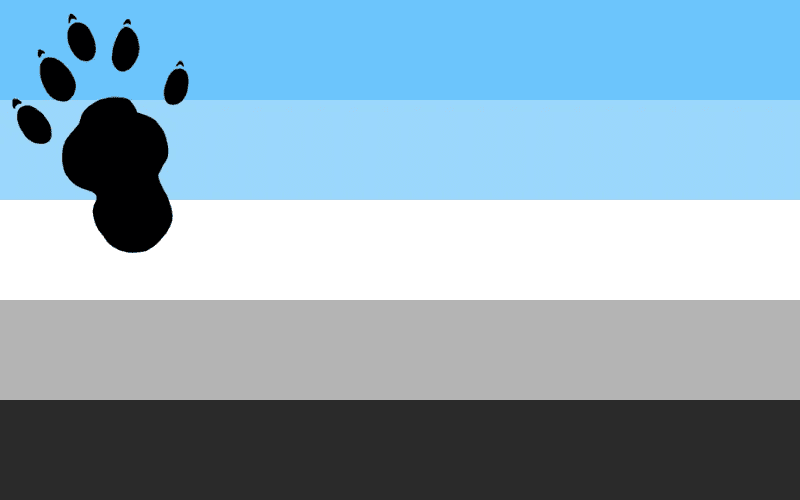
- Modern Symbols: Many otters use the paw print as a symbol of solidarity—bridging the gap between themselves and bears, while also crafting their own sense of tribe identity.
Breaking Stereotypes—Otter Identity as Social Statement
What makes otter culture especially meaningful is its role in questioning stereotypes about masculinity, beauty, and queerness. Otters prove that being sexy, confident, or “masculine” is not limited to muscle or brawn. They challenge mainstream images by showing that hairy, slim men can be just as vibrant, desirable, and central to LGBTQ+ culture.
Intersectionality and Diversity
- Different Backgrounds: The otter community is open to all races, ethnicities, ages, and gender expressions.
- Fluidity: Not every otter is gay; bi, pan, and queer men (and even nonbinary folks) can also identify with the otter spirit.
Otters in Media and Culture
With increased visibility in shows, social media, and nightlife, otters are shifting from an inside joke to a celebrated identity. Prominent public figures and influencers—like actors, podcasters, or activists—give visibility to otter lives, and help younger generations feel seen.
Empowerment and Opening New Spaces
In today’s world, otter culture goes far beyond self-description—it’s about claiming space in a diverse LGBTQ+ universe. Many gay or queer men report that identifying as an otter helped transform feelings of “not fitting in” into sources of confidence and joy. It’s a way to celebrate body hair, playfulness, and a spirit of acceptance, while pushing for even greater inclusion.
Community tip: If the label fits, great! If not, that’s okay, too. The beauty of gay (and otter) culture is that you get to choose your tribe—or none at all.
The Future: Growing, Connecting, and Creating Together
Otter culture is anything but static. New generations are reinventing and broadening its meaning, organizing festivals, debating official flags or emblems, and creating digital spaces on platforms and apps that help otters worldwide connect. There’s a spirit of creativity—why not invent a new flag, or celebrate otter culture with art, stories, or activism?
Ways to Get Involved
- Attend local LGBTQ+, bear, or otter gatherings.
- Explore online forums, dating platforms, and Instagram communities centered on otter and hair-positive culture.
- Contribute by sharing stories, supporting newcomers, or starting creative projects (like flag designs or podcasts).
- Always keep things open, accepting, and ready to evolve.
Conclusion: The Vibrance of Otter Life
Whether you’re a proud otter, curious about the label, or just an ally, otter culture offers proof that every shade of queerness deserves to be seen, celebrated, and loved. With humor, warmth, and solidarity, otters remind us that there’s joy in being yourself—even, and especially, if your self is a little furry, a little wily, and a lot of fun1.